The best formation for small-sided football depends on the format: a 1-2-1 diamond for 5v5, 2-2-1 for 6v6, 2-3-1 for 7v7, 3-3-1 for 8v8, and 3-3-2 for 9v9. Each gives you balance, passing triangles, and a clear role for every player.
Small-sided football is played by millions worldwide — from casual 5-a-side after work to organized 7-a-side and 9-a-side youth leagues. But finding the right formation for fewer players isn't as simple as shrinking an 11-a-side system. This guide covers the best formations for every small-sided format, each with a diagram, a tactical breakdown, and tips for coaches and players.
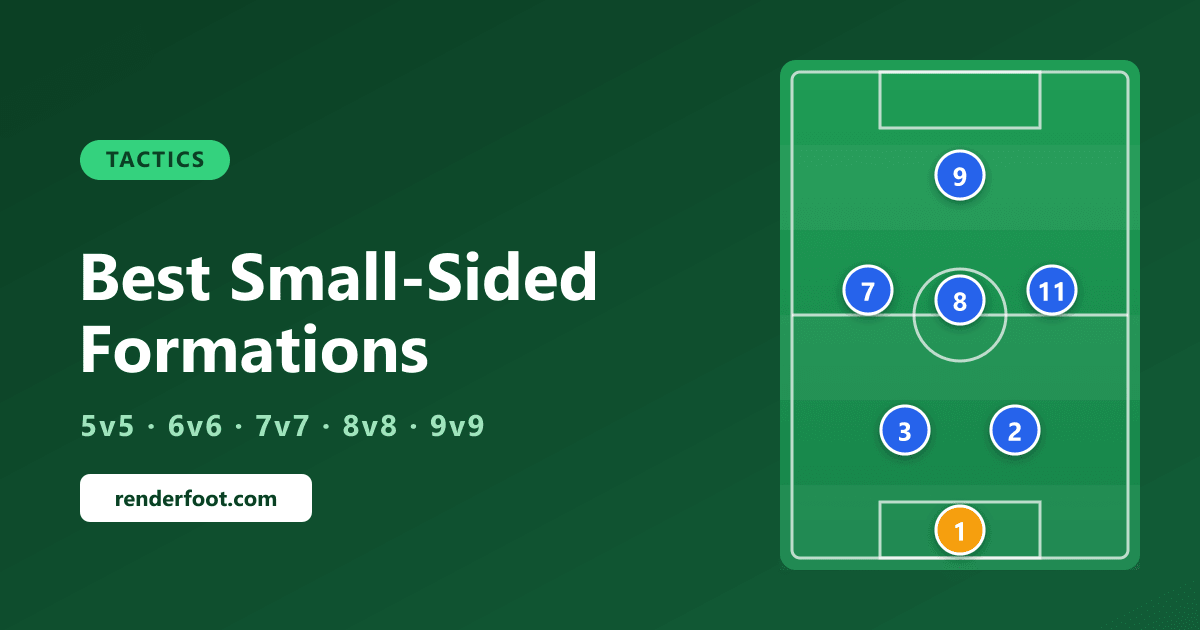
How to read the diagrams: formations are written from defense to attack (e.g. 2-3-1 = 2 defenders, 3 midfielders, 1 forward). The goalkeeper is shown in orange and is never counted in the formation name.
5v5 Formations (5-a-Side / Futsal)
With only 4 outfield players plus a goalkeeper, every formation is about maximizing space with minimal bodies.
1-2-1 (Diamond)
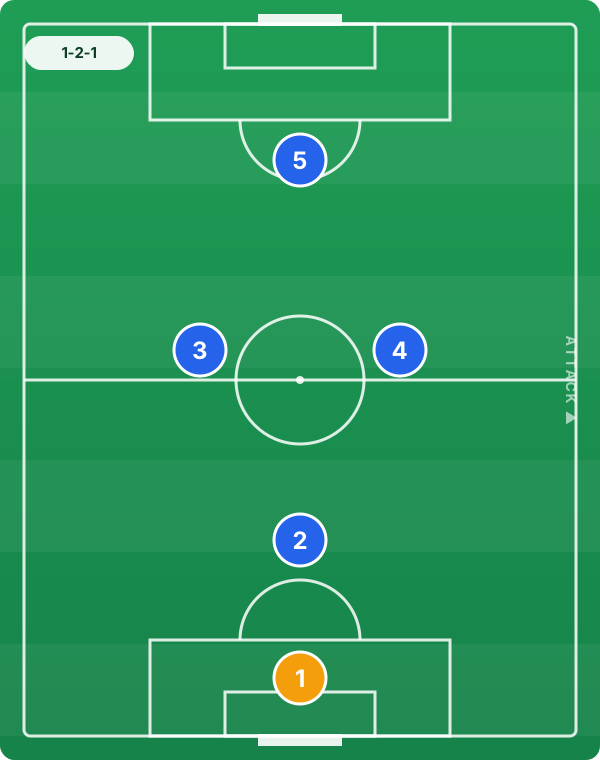
The most popular 5v5 formation. One defender, two midfielders, and one attacker form a diamond shape.
Why it works:
- Natural passing triangles in every direction
- The "pivot" (attacker) stretches the defence
- Midfielders can rotate fluidly between attack and defence
Best for: Teams that like to keep possession and play quick passes.
2-1-1 (The Stack)
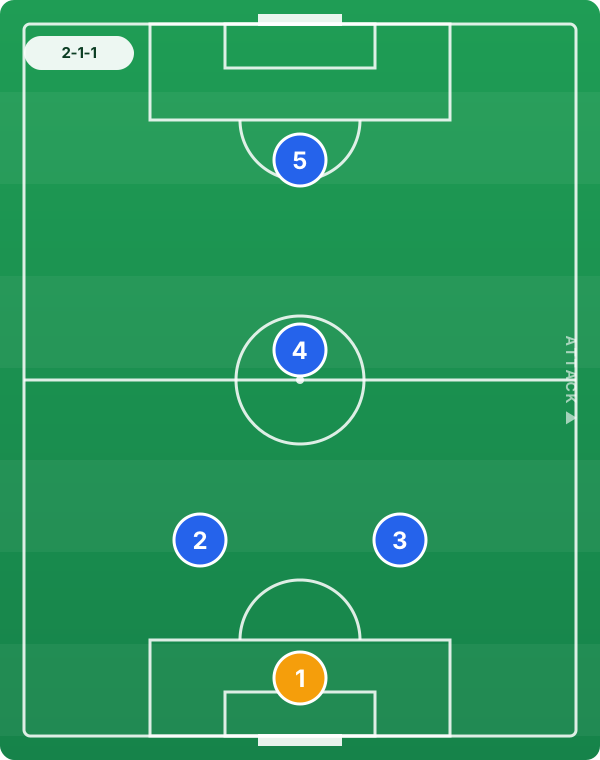
Two defenders, one midfielder, one attacker. A more defensive setup.
Why it works:
- Solid at the back with two covering defenders
- The midfielder links defence to attack
- Great for counter-attacking teams
Best for: Teams facing stronger opponents or protecting a lead.
1-1-2
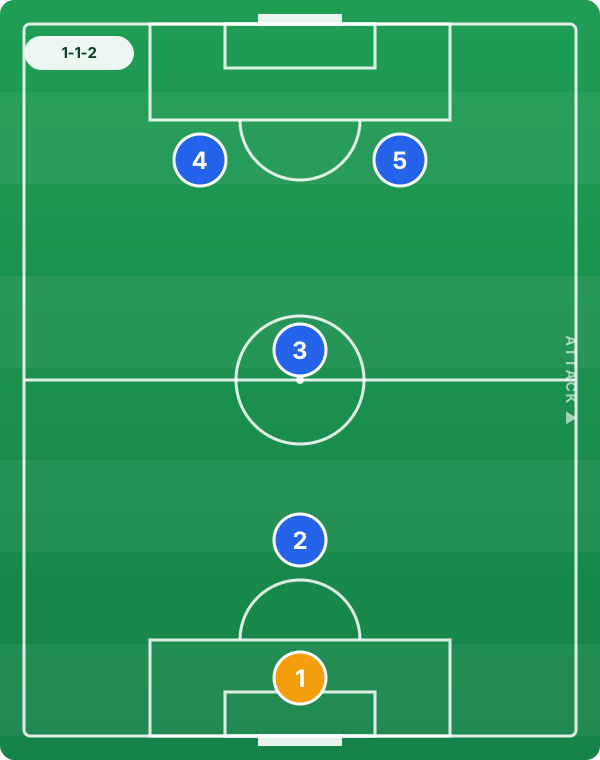
One defender, one midfielder, two attackers. Ultra-attacking.
Best for: Chasing a game or dominating weaker opposition.
6v6 Formations (6-a-Side)
Six-a-side adds one more outfield player, opening up more tactical variety.
2-2-1
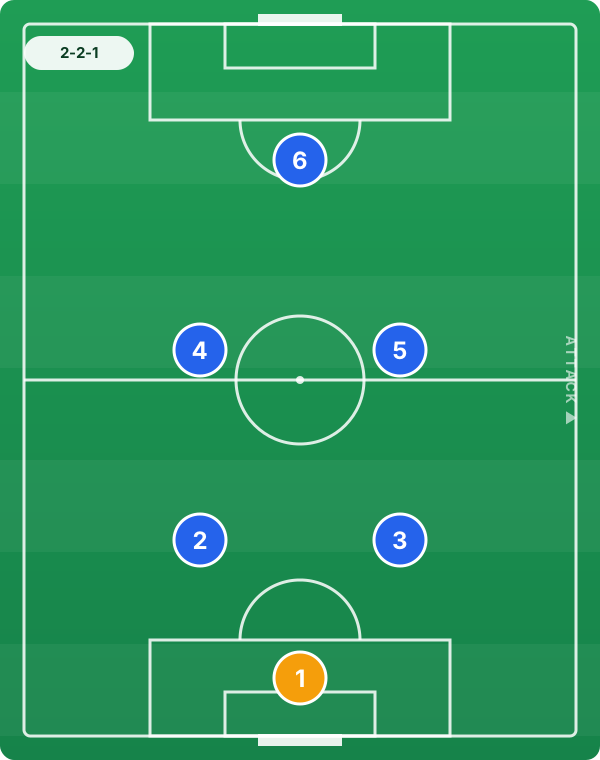
Two defenders, two midfielders, one attacker. The balanced choice.
Why it works:
- Defensive solidity with a two-player back line
- Midfield pair can split wide or stay narrow
- Lone striker pins the opposition defence
Best for: Most 6-a-side situations. A reliable default.
3-1-1
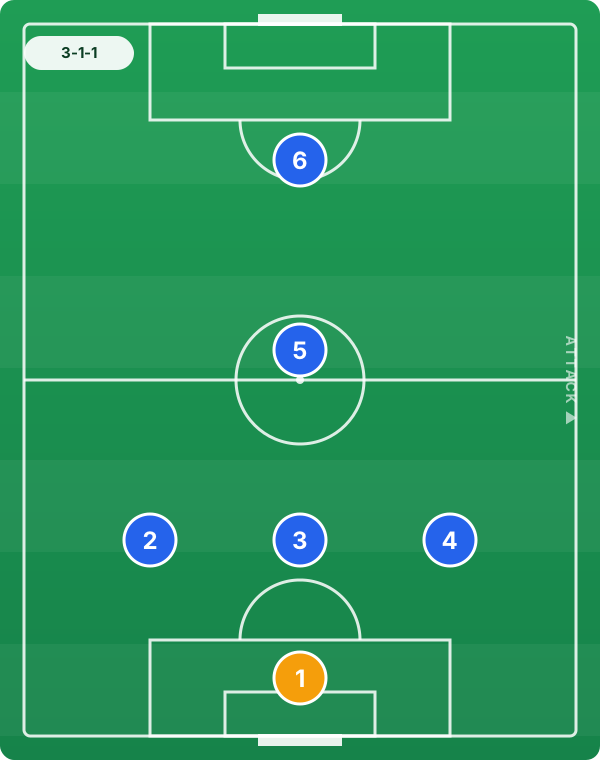
Three defenders, one midfielder, one attacker. Defensive and structured.
Why it works:
- Almost impossible to break down with three at the back
- The single midfielder acts as the engine room
- Counter-attacks are devastating when the striker is fast
Best for: Teams with a strong defensive mindset.
1-3-1
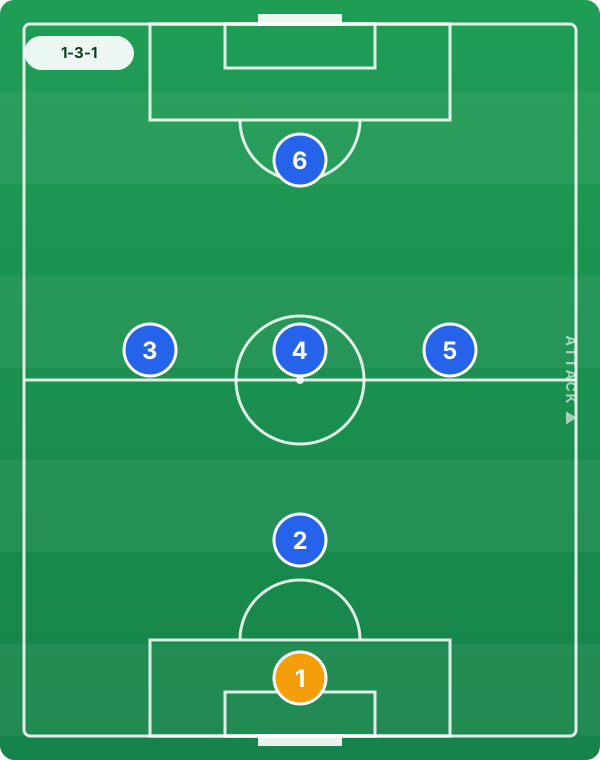
One defender, three midfielders, one attacker. Possession-based.
Why it works:
- Midfield overload creates passing options everywhere
- High press is easy to organize with numbers in the middle
- The lone defender sweeps behind the midfield
Best for: Technically skilled teams that want to dominate the ball.
Create your 6v6 lineup | 6v6 Tactics Guide
7v7 Formations (7-a-Side)
Seven-a-side is the most common youth format and a popular adult recreational size. With 6 outfield players, tactics start to resemble the full game.
2-3-1
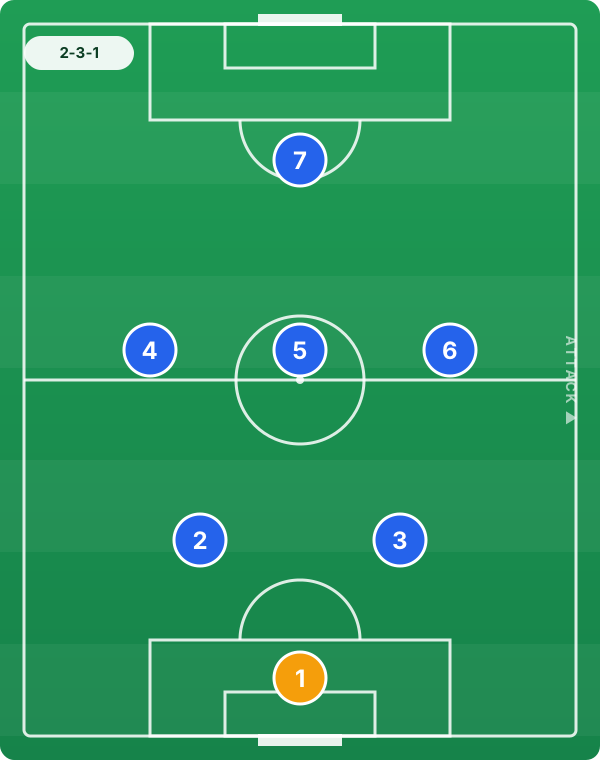
Two defenders, three midfielders, one striker. The gold standard of 7-a-side football.
Why it works:
- The midfield three can spread wide or stay compact
- Two centre-backs handle most defensive situations
- The striker holds up play and brings midfielders into the game
Best for: Versatile teams. This is the 7-a-side equivalent of the 4-3-3.
3-2-1
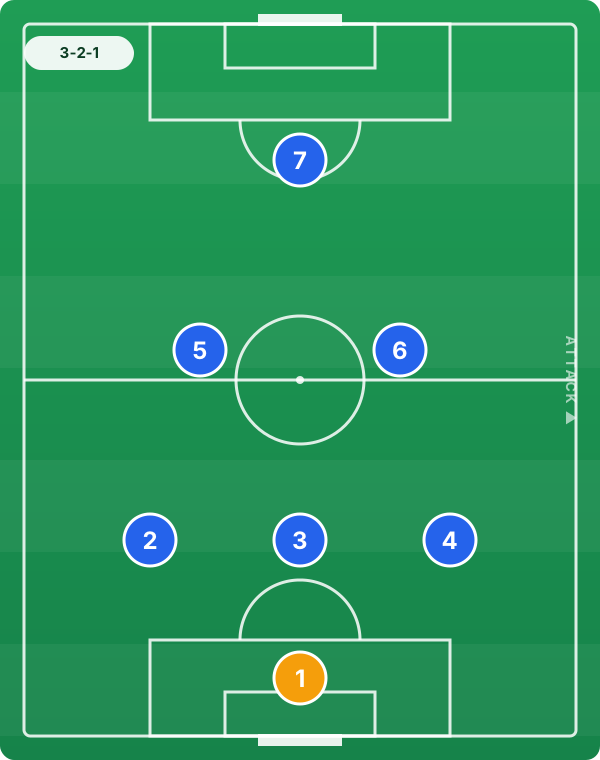
Three defenders, two midfielders, one striker. The defensive option.
Why it works:
- Back three covers the full width of a smaller pitch
- Midfield pair sit compact and screen the defence
- Hard to break down; ideal for absorbing pressure
Best for: Teams facing stronger opposition or wanting to stay solid.
2-1-2-1 (Diamond)
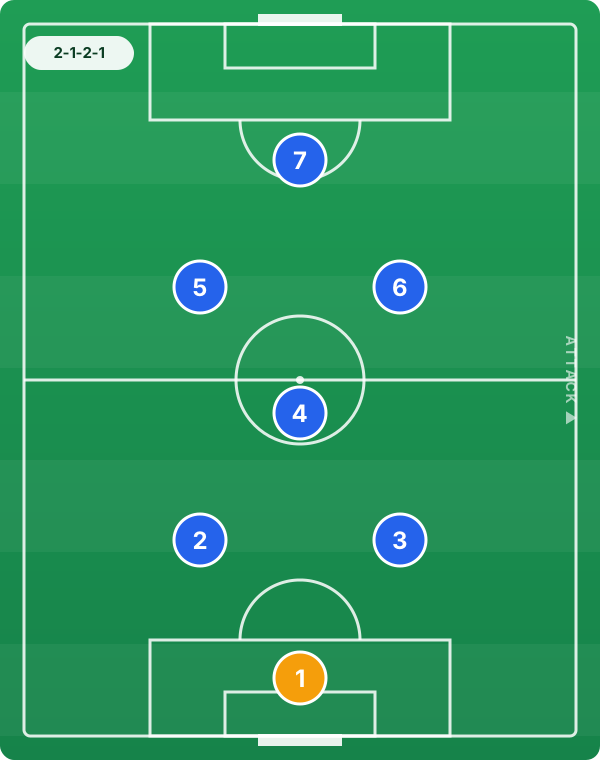
Two defenders, one holding midfielder, two attacking midfielders, one striker.
Why it works:
- Creates a natural diamond in midfield
- Attacking midfielders find space between the lines
- Excellent for teams with creative number 10s
Best for: Teams with technical midfielders who thrive between the lines.
For a deeper tactical breakdown of all five 7-a-side setups — including the official 7v7 field size, build-out line and offside rules — see our complete 7v7 soccer formations guide.
Create your 7v7 lineup | 7v7 Tactics Guide
8v8 Formations (8-a-Side)
Eight-a-side bridges the gap between small-sided and full-sized football. With 7 outfield players, formations start to look like compressed 11-a-side systems.
3-3-1
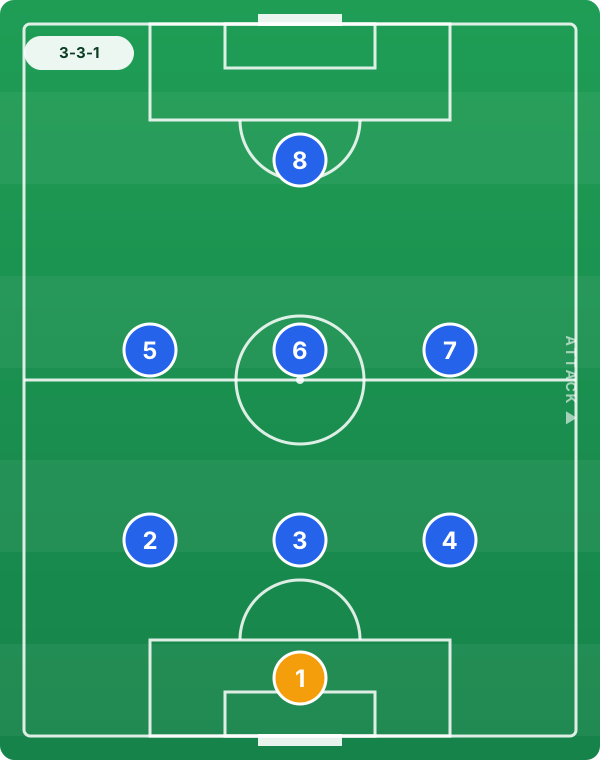
Three defenders, three midfielders, one striker. Simple and effective.
Why it works:
- Mirrors the 4-3-3 structure but compressed for fewer players
- Back three handles width; midfield three controls the tempo
- Lone striker stretches the defence
Best for: Teams transitioning from 7-a-side who want familiarity.
2-3-2
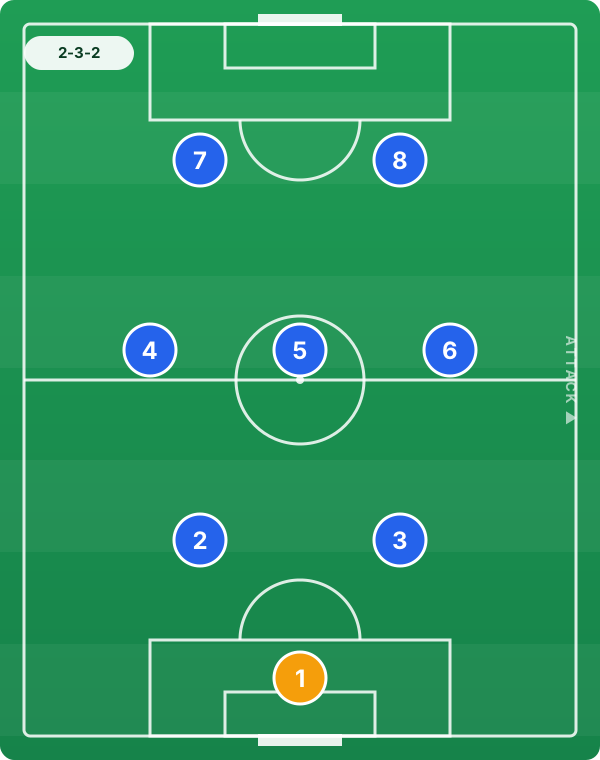
Two defenders, three midfielders, two strikers. The attacking option.
Why it works:
- Two strikers create constant goal threats
- Midfield three provides balance and links play
- Full-width coverage through midfielder positioning
Best for: Games where you need goals. Great for dominant teams.
3-2-2
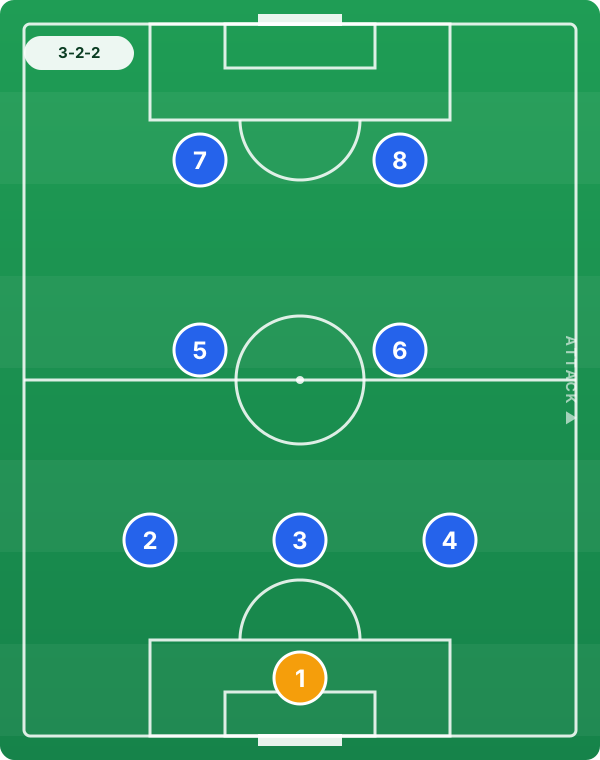
Three defenders, two midfielders, two forwards. Balanced approach.
Why it works:
- Solid back three with two forwards providing directness
- Midfield pair can sit deep or push high depending on the game
- Simple to organize and coach
Best for: Youth teams learning shape and positional discipline.
Create your 8v8 lineup | 8v8 Tactics Guide
9v9 Formations (9-a-Side)
Nine-a-side is the closest to the full game and commonly used in youth football (U11-U12 in many countries). With 8 outfield players, tactical depth is significant.
3-3-2
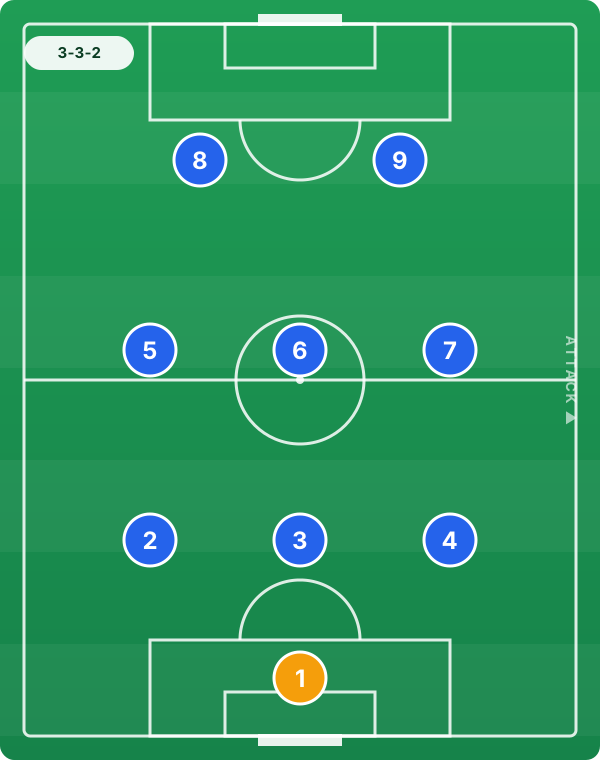
Three defenders, three midfielders, two strikers. The most popular 9v9 formation.
Why it works:
- Mirrors an 11-a-side 4-3-3 structure
- Back three covers width; midfield three controls the game
- Two strikers provide a constant attacking outlet
Best for: A reliable default for any 9-a-side team.
3-4-1
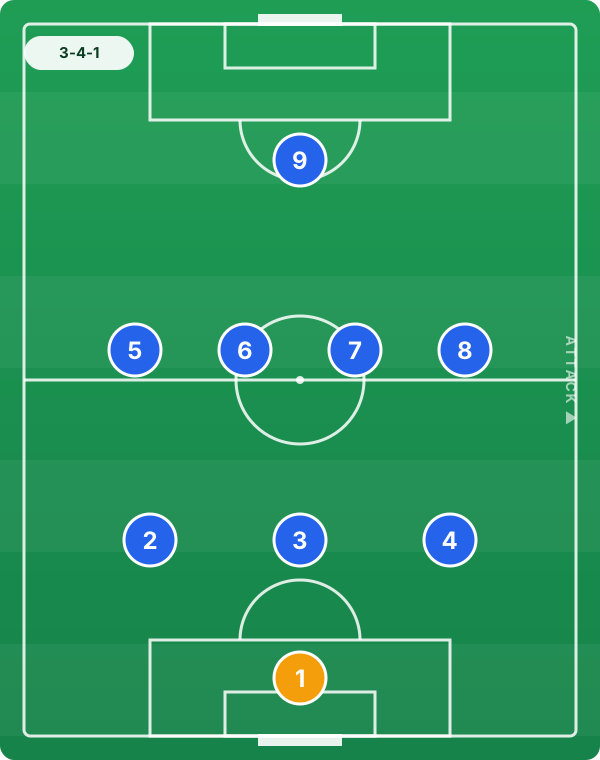
Three defenders, four midfielders, one striker. Midfield dominance.
Why it works:
- Four-player midfield overwhelms the opposition in the centre
- Wide midfielders provide natural width
- Lone striker receives excellent service from the packed midfield
Best for: Teams with many capable midfielders.
4-3-1
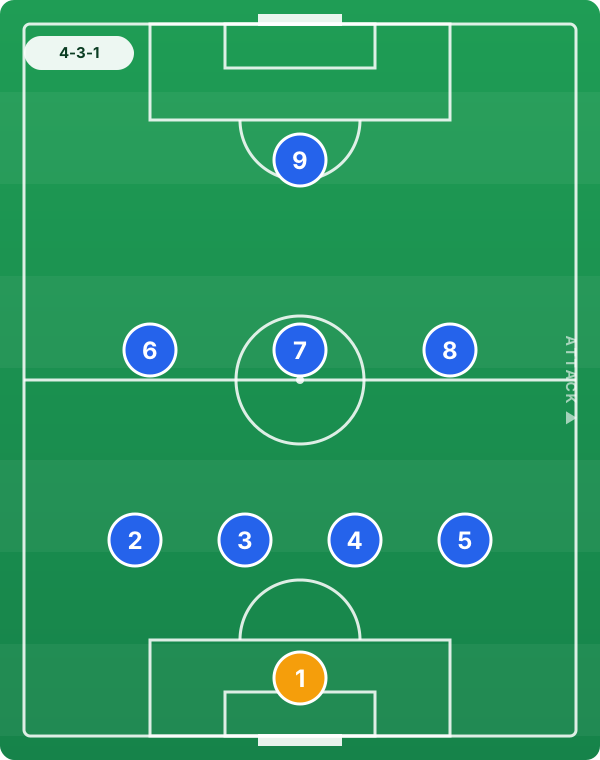
Four defenders, three midfielders, one striker. The defensive fortress.
Why it works:
- Four at the back is nearly impossible to break down in 9-a-side
- Three midfielders are enough to control possession
- Counter-attacks through the striker are devastating
Best for: Big games, cup finals, or teams protecting a lead.
Create your 9v9 lineup | 9v9 Tactics Guide
Quick Reference: Best Default Formation by Format
| Format | Best Default | Style |
|---|---|---|
| 5v5 | 1-2-1 | Balanced diamond |
| 6v6 | 2-2-1 | Solid and balanced |
| 7v7 | 2-3-1 | Versatile and attacking |
| 8v8 | 3-3-1 | Structured and familiar |
| 9v9 | 3-3-2 | Closest to 11-a-side |
General Tips for Small-Sided Tactics
- Rotation is key — in small-sided games, players must be comfortable in multiple positions
- Width matters more — on smaller pitches, stretching the play creates more space centrally
- Press as a unit — with fewer players, one person out of position creates a chain reaction
- Goalkeepers must play — in small-sided formats, the keeper is essentially an extra outfield player for build-up
- Transitions win games — the moment you win or lose the ball matters more with fewer players on the pitch
Frequently Asked Questions
What is the best formation for 5-a-side?
The 1-2-1 (diamond) is the best all-round 5-a-side formation. It gives you a defender, two midfielders, and a pivot striker, creating passing triangles in every direction while staying balanced between attack and defence.
What is the best formation for 7v7?
The 2-3-1 is the gold standard for 7-a-side: two defenders, three midfielders, and a striker. It's versatile, easy to coach, and works for almost any team — think of it as the 7v7 version of the 4-3-3.
How do you choose a small-sided formation?
Match the formation to your players and the game situation. Pick a balanced default (like 2-2-1 or 2-3-1) for most matches, shift to an extra defender when protecting a lead or facing stronger opponents, and add a forward when you need goals.
Do formations really matter in small-sided football?
Yes. With fewer players, each position covers more ground and one player out of shape exposes the whole team. A clear formation gives everyone a job, improves spacing on a smaller pitch, and makes pressing and transitions far more organized.
Build Your Lineup
Use our free lineup builders for any format:
Or explore the full Formations Guide for 11-a-side tactics.
Whether you're coaching youth football or playing casual 5-a-side, the right formation gives your team structure and confidence. Use RenderFoot's free lineup builders to visualize your tactics.