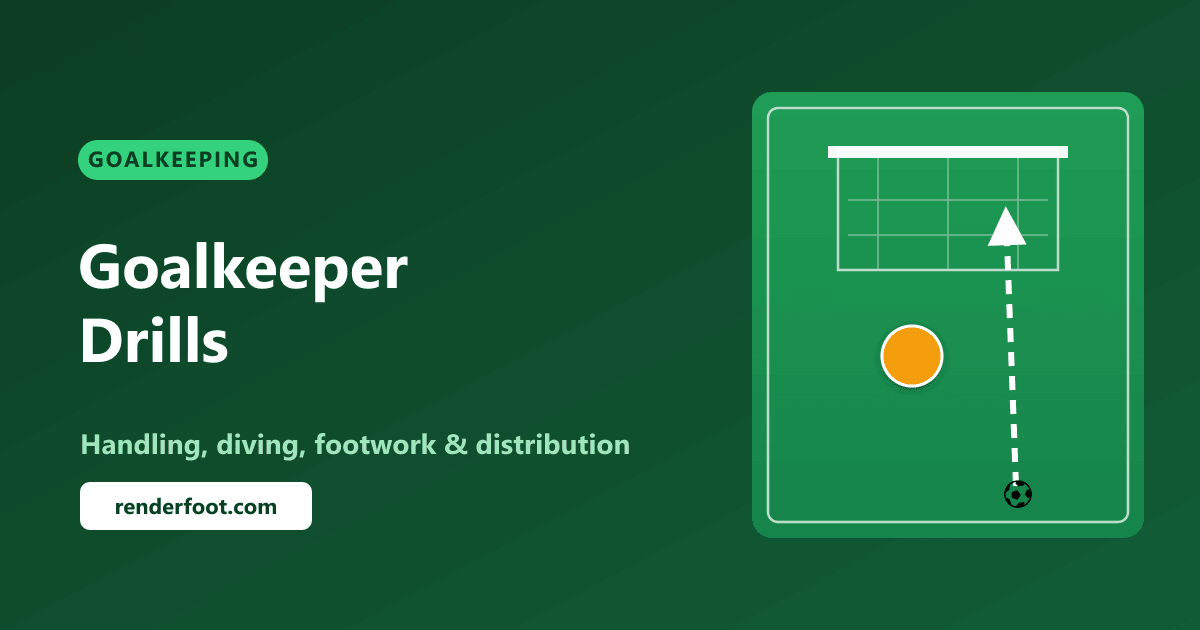
Goalkeeper is the most specialized position on the pitch, and it needs its own training. The best goalkeeper drills build the four core GK skills: handling, shot-stopping and diving, footwork, and distribution. Below are 9 goalkeeper drills with diagrams and setups, plus drills for kids, beginners and solo practice.
These are part of our complete soccer drills guide. Plan a full GK session with the free RenderFoot drill planner.
1. Handling & catching
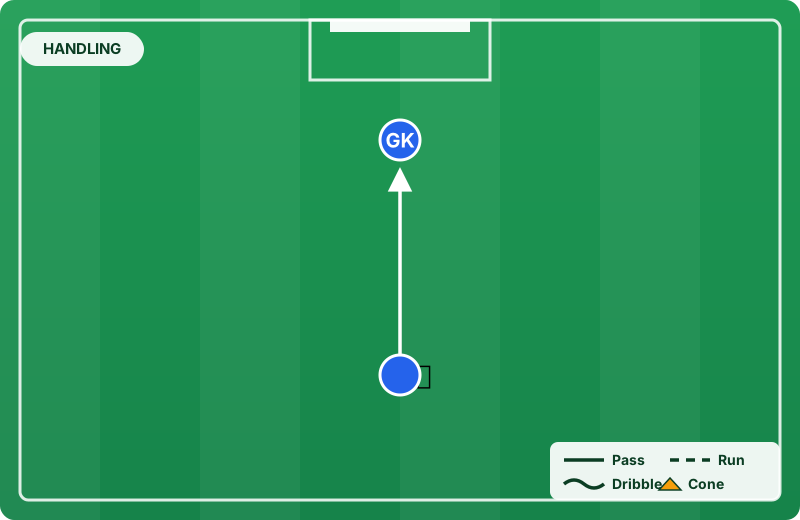
The foundation of goalkeeping is safe, secure hands. A server plays balls at the keeper from 8–10 yards — along the ground, at chest height, and high — and the keeper catches each one cleanly.
- Coaching points: get the body behind the ball, form a "W" with the hands for high balls and a scoop for low ones, and pull every catch into the chest.
- Reps: 10 serves, then rotate.
2. Diving & shot-stopping
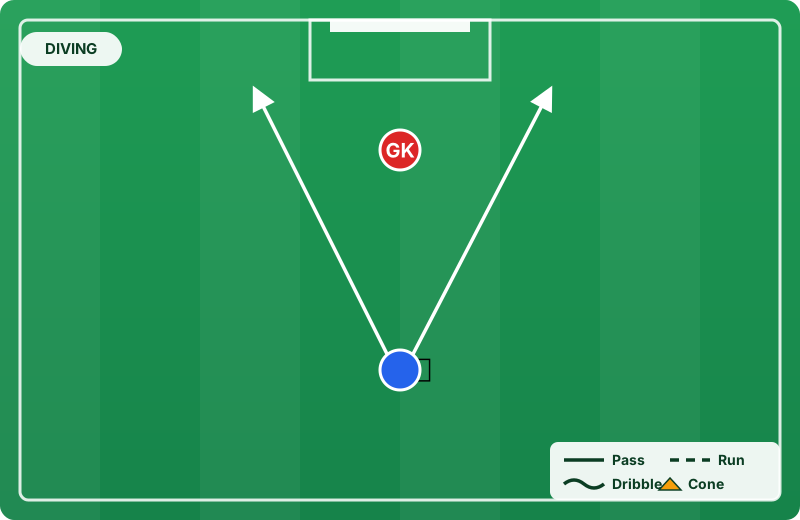
A server strikes shots toward each corner so the keeper has to dive low and high to save.
- Coaching points: take a small set step, push off the near foot, lead with the hands, and land on the side (not the front). Get the top hand behind the ball.
- Progression: start with rolled balls, build up to firm shots from the edge of the box.
3. Footwork & set position
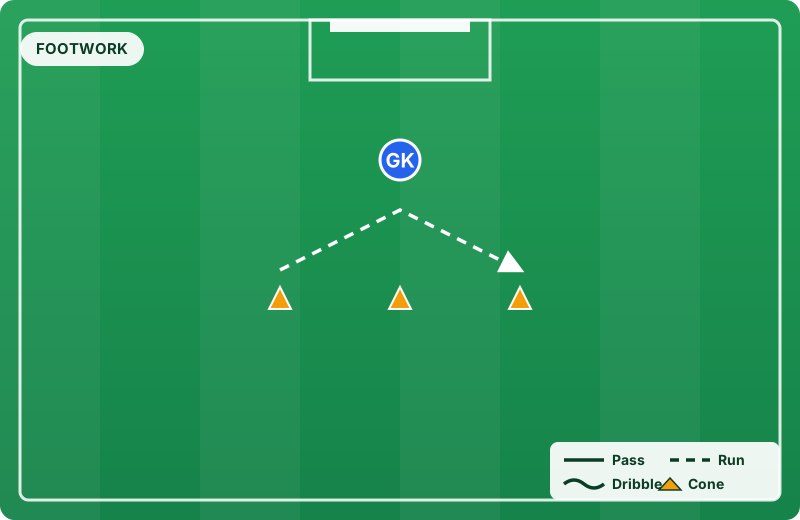
Quick, balanced feet get a keeper into position to save. Place 3 cones and have the keeper shuffle laterally through them, then set (a balanced, ready stance) before reacting to a shot.
- Coaching points: stay on the balls of the feet, don't cross the legs, and always be set the moment the ball is struck.
4. Distribution
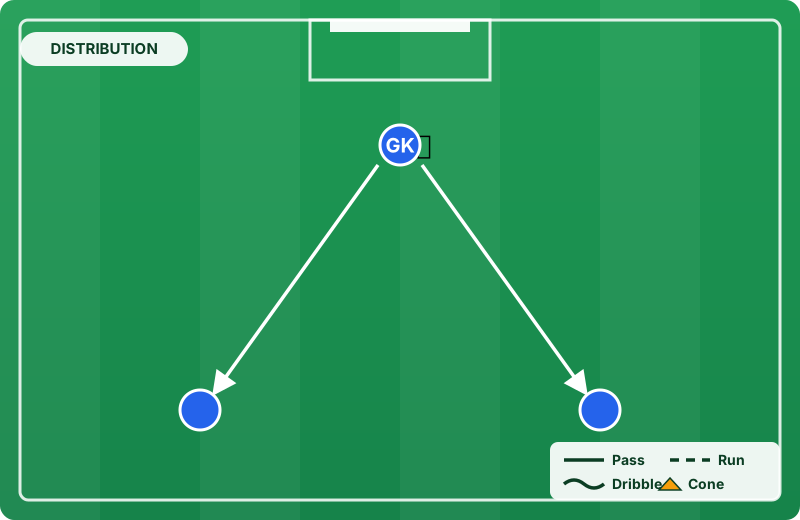
Modern goalkeepers start attacks. The keeper rolls, throws, or kicks the ball out to teammates on each flank, hitting targets accurately.
- Coaching points: roll/throw to feet for short distribution; drive the ball low and flat for longer passes. Pick the right pass for the situation.
5–9. More essential GK drills
- 5. Reaction saves: a server fires balls from close range so the keeper reacts on instinct — builds reflexes.
- 6. 1v1s: an attacker runs through on goal; the keeper learns to spread, stay big, and delay.
- 7. Crosses & high balls: servers deliver crosses for the keeper to come and claim at the highest point.
- 8. Through-ball sweeping: balls are played in behind a high line for the keeper to read and clear as a sweeper-keeper.
- 9. Tipping over the bar: high, dipping shots the keeper must tip over rather than catch — great for handling under pressure.
Goalkeeper drills for kids & beginners
Young keepers need confidence and fun before technique:
- Keep serves gentle and underarm at first — build trust in the hands.
- Use games like "how many can you catch in a row?"
- Teach the set position and basic catching before diving.
- Protect young keepers: soft balls, short distances, and plenty of praise.
Solo goalkeeper drills
You can train alone with a wall or rebounder:
- Wall catches: throw the ball against a wall and catch the rebound at different heights.
- Reaction drills: throw the ball low against a wall and react to the bounce.
- Footwork: run the cone-shuffle pattern above and set each time.
- Distribution: practice throwing and kicking to targets.
Frequently asked questions
What are the best goalkeeper drills?
The most effective goalkeeper drills cover the four core skills: handling (catching serves), diving/shot-stopping (saving shots to the corners), footwork (lateral shuffles into the set position), and distribution (throwing and kicking to teammates). Training all four builds a complete keeper.
How can I improve as a goalkeeper?
Master the basics first: a secure catch, a balanced set position, and quick footwork. Then add diving, 1v1s and distribution. Consistency matters more than spectacular saves — keepers improve fastest with daily handling reps and good positioning, not just shot-stopping.
What are good goalkeeper drills for beginners?
Start with gentle handling: underarm serves the young keeper catches and pulls into the chest, plus the set position and basic footwork. Keep it fun and confidence-building, use soft balls and short distances, and only introduce diving once catching is reliable.
How do goalkeepers train alone?
Solo, a keeper can use a wall or rebounder for catching and reaction work, run cone-shuffle footwork patterns, and practice distribution to targets. Throwing a ball against a wall at varying heights is the simplest way to train handling and reflexes without a partner.
Build your goalkeeper session
Design and save a full GK session with the free RenderFoot drill planner, and explore the complete soccer drills guide — including defending drills to train the back line in front of your keeper.